

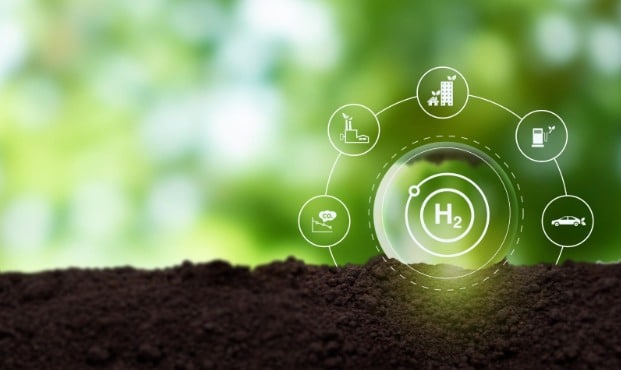
India is one of the fastest growing economies in the world and its hunger for energy is massive. The industries are getting bigger with large factories being set up and lots of new vehicles hitting the roads every day. For these reasons, India needs a lot of energy. However, feeding this hunger with traditional fossil fuels is costing India a fortune — both in terms of national import bills and the literal air we breathe. This is where green hydrogen is becoming a gamechanger.
Lately, there’s been a massive buzz about ‘green hydrogen’. At first, it might sound like a tech jargon or something cooked up in a lab but in reality, it might become one of the most practical tools clean energy companies in India have to rewrite India’s energy story.
What’s the Big Deal about Green Hydrogen?
To understand what green hydrogen is, we first have to look at how regular hydrogen is made. Normally, producing hydrogen requires burning natural gas or coal, which completely defeats the purpose of using a clean fuel. Green hydrogen changes the equation entirely. It is produced by using pure renewable energy — like India’s rapidly growing solar and wind networks — to run a machine, called electrolyser. This machine passes electric current through water, splitting it into its basic components: hydrogen and oxygen. The only by product left behind during production is clean oxygen. Later, when that hydrogen is used in a fuel to generate electricity or heat, it emits nothing but pure water vapour. No carbon dioxide, no toxic gases — just clean energy.
Cleaning the Most ‘Difficult-to-Clean’ Industries
For India, clean energy transition isn’t just about switching to electric cars; it’s a structural revolution for industries that batteries simply cannot save.
Think about the heavy lifters of our economy: massive steel plants, chemical factories, global shipping lines and long-haul trucking networks. These sectors are the backbone of our GDP but they are also incredibly tough to clean up. You cannot run a container ship crossing the Indian Ocean or a roaring blast furnace on lithium-ion batteries. The batteries would have to be so massive and heavy that the vehicle wouldn’t even be able to move its own weight.
This is exactly where green hydrogen comes in. It delivers the intense, high-grade heat and the unique chemical reactions that these heavy industries desperately need, allowing them to slash their emissions without sacrificing their production capacity.
A Real Shot at Independence
Beyond the environmental benefits, clean energy is matter of national security and economic survival. India has been depending on countries for oil and gas for a very long time. When there are geopolitical tensions between countries, especially when the biggest energy suppliers are involved, the price of fuel in India goes up. This means that things start costing money and our economy gets hurt. If we use the sunlight and wind that we have in abundance to make our fuel, we can stop or significantly reduce our dependence on other countries.
The Road Ahead
Of course, none of this will happen overnight. The road ahead is incredibly steep. Renewable energy companies in India need to figure out safe, high-pressure storage networks and bring production costs down so they can actually compete with cheaper, dirtier fuels. But the momentum is building. Clean energy companies in India are working relentlessly to make India a country that can take care of its energy needs.
| Disclaimer: The information provided in this blog is for general informational purposes only and not professional advice. Jakson Green Limited bears no responsibility for errors, omissions or the accuracy of the information provided. |

