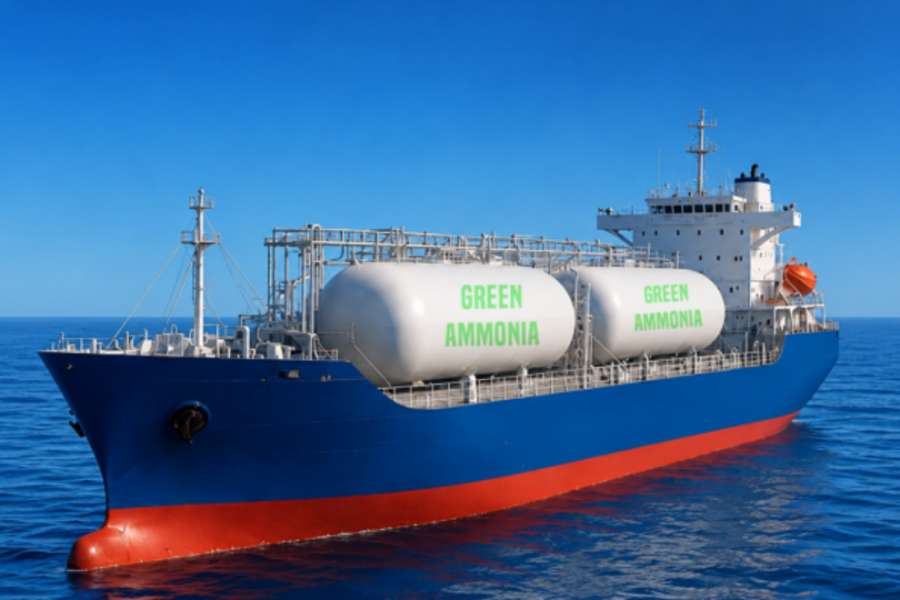
The shipping industry has a dirty secret. The big container ships that keep the global economy moving rely on heavy fuel oil, which is essentially the leftover dregs of the petroleum refining process. This oil is cheap, energy-dense and pumps an incredible amount of carbon dioxide into our atmosphere every single year.
The maritime sector is looking for an alternative. Electric batteries work beautifully for short-haul commuter ferries but they are simply too heavy and inefficient for a massive vessel crossing the Pacific. This is where green ammonia comes in. It is quickly becoming the choice to power a sustainable blue economy where global trade does not harm our oceans.
Moving Beyond the Chemical Plant
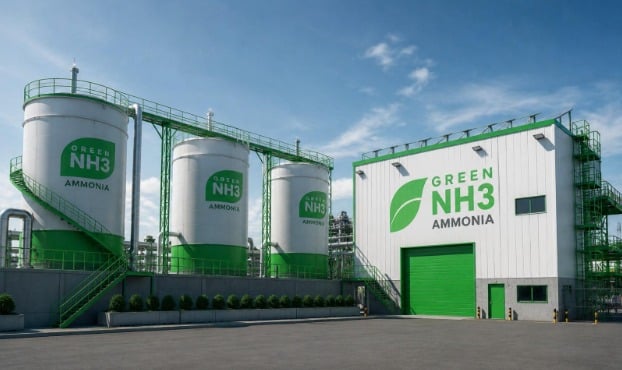
To make green ammonia, we use clean electricity from solar panels or wind turbines. This electricity powers machines, called electrolysers split water into oxygen and hydrogen. Then, we extract nitrogen directly from the surrounding air. The green hydrogen and nitrogen are combined using the Haber-Bosch process to form liquid ammonia, which is completely carbon-free from production to combustion. When burned in a modified ship engine, green ammonia simply reverts back into nitrogen and water.
Why the Shipping Sector is Betting Big on Green Ammonia
To understand why green ammonia is winning the fuel race, we have to look at the logistics of global trade. Ship operators care about two things: space and weight. While liquid hydrogen is a clean fuel, storing it requires keeping it at a very low temperature or under immense pressure. That requires heavily insulated tanks that eat into valuable cargo space. Green ammonia solves this problem. It turns into a liquid at a more manageable temperature. The infrastructure, handling protocols and basic crew training are already there, which make green ammonia an evolution of existing systems than a total reinvention of the wheel.
Real Benefits for Coastal Communities
The benefits of green ammonia for the blue economy go far beyond just filling up cargo ships. If we use ships that run on green ammonia, it will make the air a lot cleaner. We will not have much bad stuff in the air like we do now. Green ammonia is also good for island nations because it helps them make their energy. A lot of these islands use diesel generators that they get from really far away. If they use wind or solar energy, they can make their own green ammonia and save it for when they need it.
The Challenges with Green Ammonia
Green ammonia is highly corrosive and can be dangerous to health if inhaled in large quantities. A major spill at sea could significantly hamper local marine life. Green ammonia companies in India are currently working towards designing safety systems, advanced leak-detection sensors and automated containment valves to make the fuel more reliable. There is also the cost barrier. Green ammonia is significantly more expensive to produce than standard heavy fuel oil.
Final Thoughts
Let’s be real — the transition to green ammonia won’t happen overnight but the momentum is definitely there. As renewable energy becomes cheaper and carbon taxes on shipping become a reality, that price gap is going to shrink. By decoupling trade from fossil fuels, green ammonia is proving that economic growth does not have to come at the cost of environmental destruction.
| Disclaimer: The information provided in this blog is for general informational purposes only and not professional advice. Jakson Green Limited bears no responsibility for errors, omissions or the accuracy of the information provided. |