

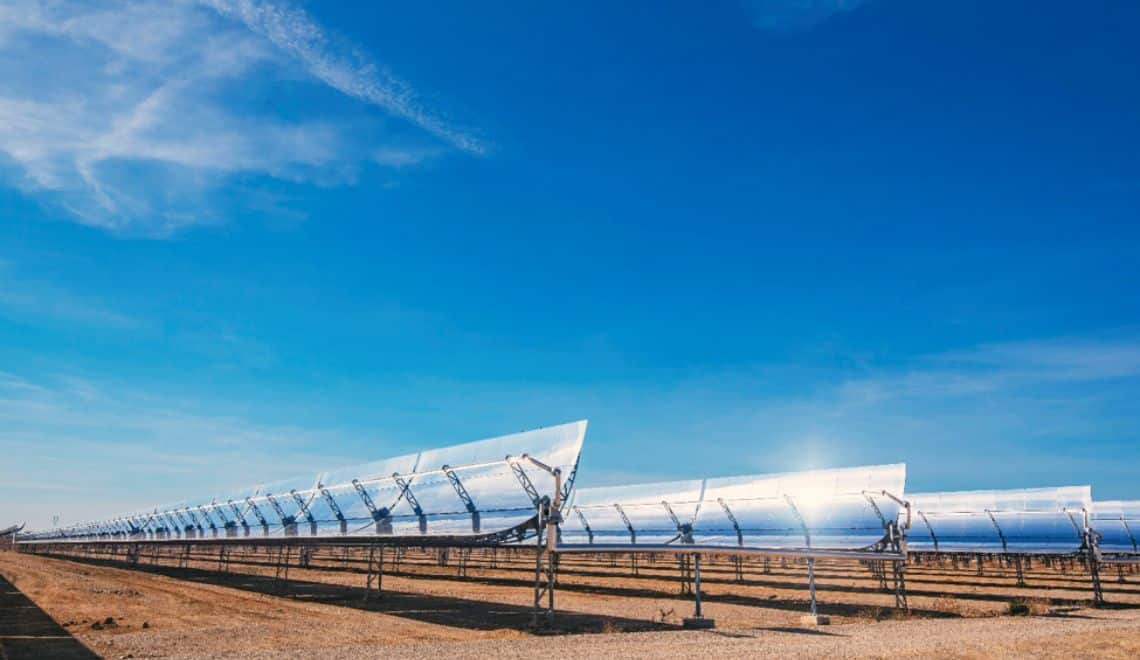
It’s one of the cruellest paradoxes on Earth: millions of people live just a stone’s throw away from the ocean, yet they struggle daily to find a single cup of safe, clean drinking water. We live on a blue planet but freshwater is rapidly becoming a luxury. Thankfully, a centuries-old concept is getting a modern upgrade to fix this. Renewable energy companies in India are using solar thermal desalination — a remarkably straightforward, off-grid method that turns harsh seawater into pure drinking water using nothing but the sun’s natural heat. No massive power grids, no complicated chemistry — just a smart replication of how the Earth makes rain.
The Burning Problem with Modern Desalination
Water scarcity isn’t a future threat; it’s a current crisis. As populations boom and weather patterns turn chaotic, the traditional places we look for water — like rivers and underground wells — are drying up fast. We can always turn to the ocean but the way we currently do that is incredibly destructive. Industrial reverse osmosis plants require an immense amount of electricity to shove water through microscopic membranes. To keep those plants running, we end up burning massive amounts of fossil fuels. It’s a vicious cycle: we clean our water by polluting our air, which only accelerates the droughts causing the water shortage in the first place. We desperately need a way to break this loop.
True Independence for Coastal Communities
Where the solar water desalination technology really shines is its ability to operate completely off-grid. Think about remote coastal villages or small island communities. They are often entirely cut off from centralised electricity. For these regions, running a traditional water treatment plant means shipping in incredibly expensive diesel fuel via boats or rough roads. It’s a logistical nightmare and financially unsustainable. Solar thermal setups completely cut that umbilical cord. Because they rely on direct heat from local solar collectors rather than electricity, a community can set up a distillation unit and start producing water on day one, without needing a single foot of electrical wiring or a single drop of fuel.
Why Localisation Changes Everything
When a community gains control over its own water supply, the societal ripple effects are massive. They are no longer vulnerable to fluctuating global fuel prices or broken supply chains. Furthermore, localised systems eliminate the need for miles of expensive, high-maintenance pipelines — the kind that break, leak or get knocked out entirely during natural disasters. By keeping the infrastructure small, local and manageable, communities protect their public health and build true economic resilience on their own terms.
What’s Next for Solar Water?
This isn’t just a theoretical concept; it’s getting more efficient. Right now, scientists are developing next-generation coatings and localised absorbers that trap sunlight far better than standard materials. This means newer systems can generate high amounts of freshwater even on overcast, cloudy days. As these advanced materials become cheaper to mass-produce, solar thermal units will become accessible to the developing communities that need them most. Ultimately, this technology is more than just a clever engineering project — it’s a practical, eco-friendly lifeline that can help turn clean water from a geographic privilege into a basic human right.
| Disclaimer: The information provided in this blog is for general informational purposes only and not professional advice. Jakson Green Limited bears no responsibility for errors, omissions or the accuracy of the information provided. |

