

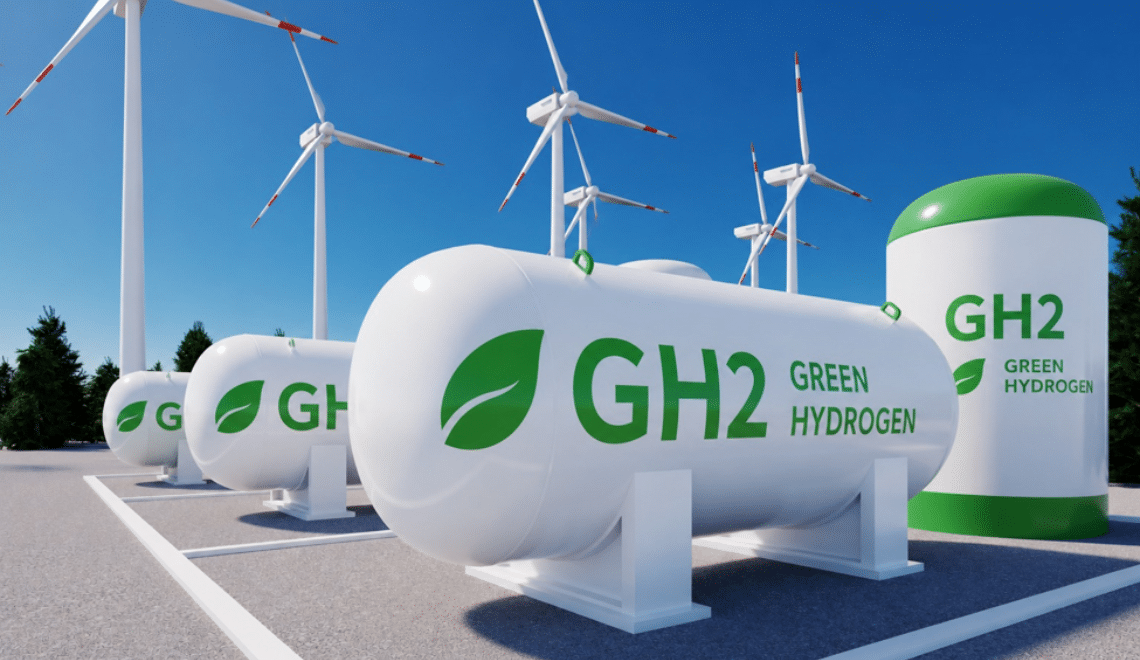
We all see the headlines about wind and solar power finally taking off. It is fantastic to watch clean energy scale up but let us be realistic for a moment: we are hitting a massive hurdle. The clean electricity coming from India’s renewable energy sector is great for keeping our home lights running or charging up electric cars. But it completely hits a wall when you try to apply it to massive, heavy-duty industries — the steel mills, chemical plants and cargo fleets that actually keep the global economy moving. Standard electricity just cannot handle those kinds of extreme power demands. To fix the hardest parts of the climate puzzle, we need a fuel that hits like a fossil fuel but burns clean. That is where hydrogen comes in.
Why Not Battery-Power Everything
Trying to run a massive container ship crossing the ocean on battery power is completely out of the question. These ships are too heavy and require an unbelievable amount of continuous energy to push through the water. The real dealbreaker here is energy density. Batteries are heavy, bulky and store relatively little energy for their size. To get enough battery power for a long-haul voyage, the ship would have to be packed with batteries, leaving virtually no room for actual cargo. It just does not make economic sense.
The Big Catch
Here is the catch: hydrogen is literally the most common element in the universe but it does not just sit around in pure form waiting for us to pump it. It is always bonded to something else like oxygen in water or carbon in natural gas. To actually use it, clean energy companies in India have to force it apart from those other elements, which takes a ton of energy. Because of this, how we get that hydrogen matters a lot. To keep track of how clean the process actually is, the industry uses a colour spectrum: grey, blue and green.
The Problem with Grey and Blue Hydrogen
Right now, almost all the hydrogen we use is ‘grey’. It is made by blasting natural gas with superheated steam. Sure, you get hydrogen but you also create a massive amount of carbon dioxide that gets dumped straight into the air. It is pretty much a climate disaster. Then there is ‘blue’ hydrogen. This is the exact same process as grey but factories try to trap the carbon dioxide and pump it deep underground instead of letting it escape. It sounds okay on paper but it is a compromise. The tech is expensive and catching 100% of those emissions is basically impossible.
Why Green Hydrogen
Green hydrogen is what we are really trying to get to. We take water, use clean electricity from wind or solar to break it down into green hydrogen and oxygen. The only thing that comes out of this process is oxygen. There are no bad things released into the air.
Why We are Not Using Green Hydrogen Enough
So why are we not using hydrogen everywhere? The truth is that it costs a lot of money to do this now. The machines that split the water molecules, which are called electrolysers, are very expensive. On top of that, you need an absolute mountain of cheap, clean electricity just to run them. The maths just does not add up for most companies yet.
Final Thoughts
Renewable energy companies in India are promoting the idea of green hydrogen aggressively and working towards making it a more feasible option. The progress is steady right now but there is definitely hope. As technology evolves and renewable energy becomes more affordable, green hydrogen could become more scalable for heavy industries.
| Disclaimer: The information provided in this blog is for general informational purposes only and not professional advice. Jakson Green Limited bears no responsibility for errors, omissions or the accuracy of the information provided. |

