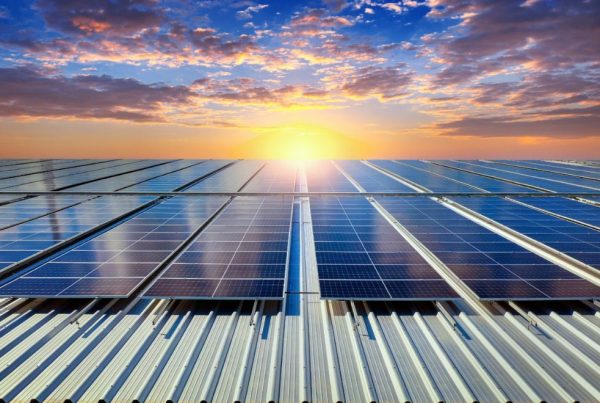
India’s solar industry is really taking off. The country surpassed the US in annual solar capacity additions to become the world’s second largest solar growth market in 2025. India crossed a remarkable 155 GW of installed solar capacity, helping achieve the country’s 50% non-fossil fuel capacity target1.
For projects, solar energy companies in India are not just focused on big factories or high ratings but adding sustainability to their supply chains. Sustainable supply chains are no longer just a nice thing to have. They have become a necessity for top renewable energy companies in India wanting to achieve long-term growth.
Localisation: Indias Secret Superpower
Making solar panels and their components in India is not just a policy. It is an advantage. The government-backed Production Linked Incentive (PLI) scheme is bringing manufacturing back to India. The scheme aims to give companies incentives on incremental sales from products manufactured in domestic units. Solar power companies in India that get materials from mines and local suppliers are significantly reducing emissions caused by shipping. This saves them money, which means they can sell electricity at a much lower price to pass on the benefits to the end-users.
Full Visibility from Mine to Module
Solar panels need polysilicon, thin wafers, special pastes and aluminium frames. Green energy companies in India are the ones that are treating every supplier as part of their promise to protect the environment. Today, companies want to track their raw materials back to the mine or smelter it came from. They want to know the carbon footprint of every kilowatt-hour. The goal is simple: no trees cut down, no hidden labour-related issues and no secrets.
Turning Solar Waste into Revenue
Solar waste is a common problem that many renewable energy companies in India face. If not recycled, landfills would be filled with solar waste. Green energy companies are building recycling plants next to their factories that break apart panels, recover rare materials and turn the rest into new raw materials. This ultimately reduces production costs. Every tonne of waste avoided is a tonne of profit saved.
Building Resilience against Climate Volatility
Clean energy companies in India do not just react to change. They prepare for it. Heatwaves and erratic monsoons did affect polysilicon supplies from China. There were shutdowns that temporarily halted productions. The point is – in a world with changing weather patterns and stricter regulations, solar energy companies in India with low-carbon supply chain do not just survive; they thrive.
The Road to 500 GW
As India aims for 500 GW of power by 20302, the companies that will become leaders will be the ones with sustainable supply chains that are as clean as the solar panels they install. Green energy companies in India that can prove their panels were made without forced labour, deforestation or hidden costs are more likely to attract more customers. In 2026, trust is not a marketing slogan for renewable companies; it is the proof of a company’s commitment towards quality.
Final Thoughts
In a country where rooftops are becoming power grids, the real competition is not about price. It is about conscience. Indias top solar power companies are leading the way even in supply chain practices and showing us that solar power can be clean and affordable.
References:
- NEWS on AIR – ‘India surpasses US in annual solar capacity additions, becomes 2nd largest solar growth market in 2025’. Published on June 3, 2026
- Ministry of Power – ‘500GW Nonfossil Fuel Target’. Published/Updated on September 18, 2023
| Disclaimer: The information provided in this blog is for general informational purposes only and not professional advice. Jakson Green Limited bears no responsibility for errors, omissions or the accuracy of the information provided. |