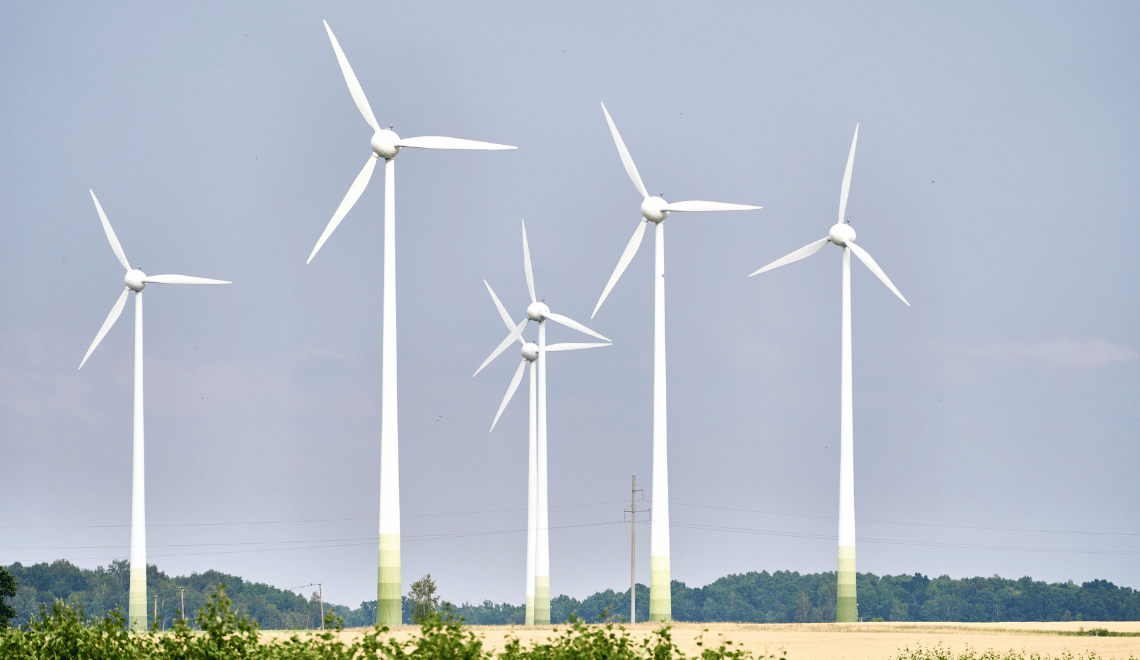
Back in the early 2000s, India was making good progress in the wind energy sector but things slowed down for a while due to various reasons. Challenges in securing land, problems related to electrical grid setups and early focus on solar power slowed down new wind projects. Shifting market trends also created difficulties for developers to keep projects running. These problems made people and Wind energy companies in India rethink their plans and find new ways to develop this renewable power.
New Wind Power Milestones: The Picture is Changing
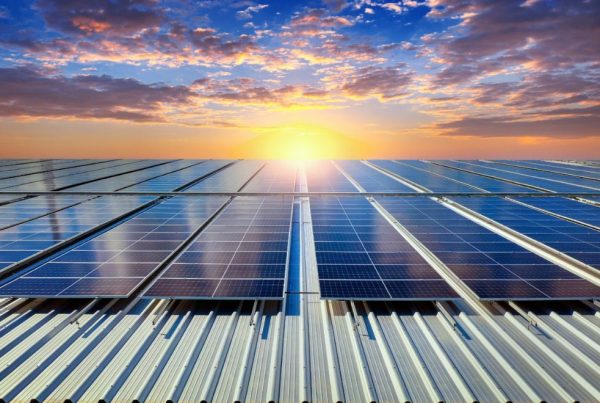
The wind energy sector is picking up speed again. In 2026, India achieved its highest-ever annual wind capacity addition of 6.05 GW1. If you compare it with 2025, the capacity has increased by 46%. What’s more interesting is that the government has set a bold goal to reach 100 GW of wind power capacity by 2030. Green energy companies in India are playing a major part in this initiative, pairing wind and solar energy technologies to provide reliable renewable power throughout the day.
India’s Wind Energy Potential
India’s landscape is considered great for wind energy production. The country’s long coastlines touch the Arabian Sea on one side and the Bay of Bengal on the other. Places like Tamil Nadu, Gujarat, Maharashtra, Rajasthan, and Karnataka experience strong and steady winds. These winds are ideal for generating reliable electricity and delivering eco-friendly power to countless homes. Renewable energy companies in India are constantly developing reliable and sustainable solutions to cut down reliance on fossil fuels that are imported from outside.
Gamechanging Technologies Leading the Way
New technology drives the wind energy transformation. Larger rotor designs, advanced control systems and improved tools to forecast wind patterns — enable wind farms to operate in more areas across India. Hybrid setups that mix wind, solar and storage systems are becoming very popular. Adding battery energy storage systems (BESS) helps India’s wind energy companies to manage fluctuations in wind power and make electricity available at all times.
What’s Bringing Wind Energy Back
The shifting momentum in the wind energy sector nowadays is driven by improved policy clarity, transmission readiness, competitive tariff discovery, and a strong project pipeline. Developers are upgrading older wind farms with improved turbines. These turbines grab more energy without needing extra space. They are also replacing smaller older turbines with newer taller ones that collect stronger winds from higher up. This method lets them get more energy from the same land without searching for new areas to build.
Target to generate 100 GW through Wind Power by 2030
India’s cumulative installed wind power capacity has crossed 56 GW1. To achieve the 100 GW target by 2030, coordination among governments, industries, financial institutions and community groups is essential. Efforts should concentrate on expediting land clearance, developing efficient power transmission networks and stabilizing revenues. Adequate training facilities will have to be set up to prepare skilled manpower for the installation, operation and maintenance of wind power plants.
What Lies Ahead
Looking ahead, offshore wind energy might be a gamechanger. While starting offshore projects may cost more, advances in foundation designs and installation methods are helping make these projects more doable. Offshore wind energy fits well with solar power since it generates energy at different times, making the power grid more stable.
References:
- Press Information Bureau (PIB) – ‘India Achieves Highest-ever Annual Wind Energy Addition of 6.05 GW in 2025–26’. Date Published: 6th April 2026
| Disclaimer: The information provided in this blog is for general informational purposes only and not professional advice. Jakson Green Limited bears no responsibility for errors, omissions or the accuracy of the information provided. |