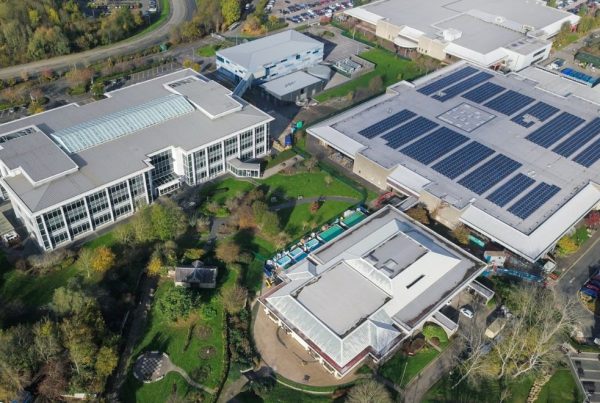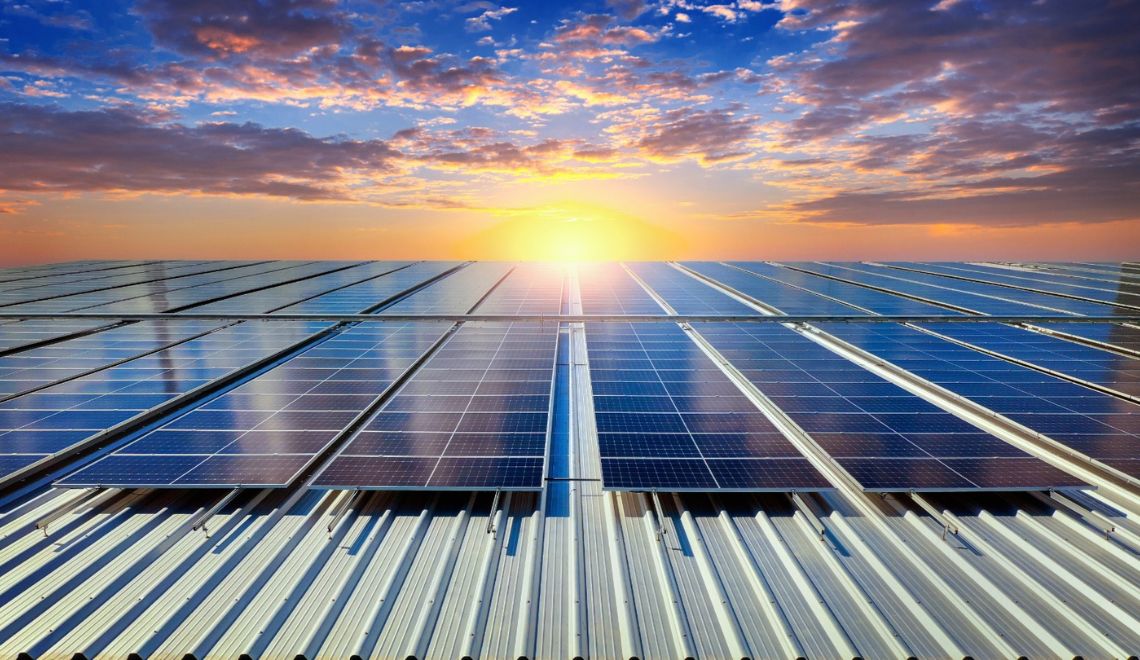
Let’s be honest: the moment you start looking into commercial solar, you’re hit with a wall of technical jargon, aggressive tax-incentive pitches, and salespeople promising ‘zero down’ miracles. It’s exhausting and when you’re managing an operating budget, you don’t have time for the fluff. But with commercial energy rates fluctuating and corporate sustainability goals coming down from the board, moving to solar is one of the smartest ways to lock in predictable operational expenses. You just need to know what actually impacts your bottom line. Here’s what you can do:
1. Match the System to Your Load Profile (Not Just Your Roof Size)
Don’t let an installer just map out panels across every square inch of your warehouse roof without looking at your data first. You need to pull your interval data (typically 15-minute for the last 12 to 24 months. Why? Because commercial billing isn’t like residential. You don’t just pay for the energy you consume; you pay heavily for demand charges (the peak amount of power you draw at any one time). Your installer needs to design a system that shaves down those expensive peak demand windows.
2. Look for your Best Options
You don’t need a degree in electrical engineering but you should know the main options dominating the commercial market right now:
- TOPCon (Tunnel Oxide Passivated Contact): This is rapidly becoming the commercial standard. Without getting bogged down in the physics, TOPCon panels are highly efficient and have an incredible temperature coefficient. If you have limited roof space but high energy demands, these squeeze the maximum possible kilowatts out of your footprint.
- Monocrystalline (Standard Mono): The reliable, high-performing workhorse of industrial roofs. They offer great efficiency and a predictable degradation rate.
- Bifacial Panels: These are a game-changer if you are doing a ground-mount system or have a highly reflective (like a white TPO) flat roof. Bifacial panels absorb sunlight from both sides, catching the light reflecting off the ground or roof surface. It can boost your energy yield without taking up more physical space.
3. Efficiency vs. Real Estate
Panel efficiency is simply how much sunlight the panel converts into usable electricity. Here’s the business logic: if you manage a massive logistics fulfilment centre with acres of flat roof, you don’t necessarily need to pay top dollar for the absolute highest efficiency panels on earth. You have the real estate to use slightly lower-efficiency, cost-effective panels to hit your target output. However, if you run a manufacturing plant with a small roof footprint but massive energy consumption, you need high-efficiency tech to get every single dollar out of that limited space.
4. Bankability and Warranties
In the commercial space, a warranty is only as good as the balance sheet behind it. You’ll want to look for ‘Tier 1’ rated solar panel manufacturers in India. This isn’t a badge of quality per se but rather a measure of financial stability. It means major banks trust that the manufacturer will actually be around in two decades to honor a claim.
The Bottom Line
Going solar isn’t a standard facility purchase — it’s a long-term capital investment. Skip the generic online calculators. Get your electricity and interval data in order, establish your internal hurdle rate (ROI/IRR targets), and choose a reputable solar power EPC company in India to run a proper structural and shading analysis on your facility. A methodical approach upfront is the difference between a high-yield asset and a long-term headache.
| Disclaimer: The information provided in this blog is for general informational purposes only and not professional advice. Jakson Green Limited bears no responsibility for errors, omissions or the accuracy of the information provided. |