

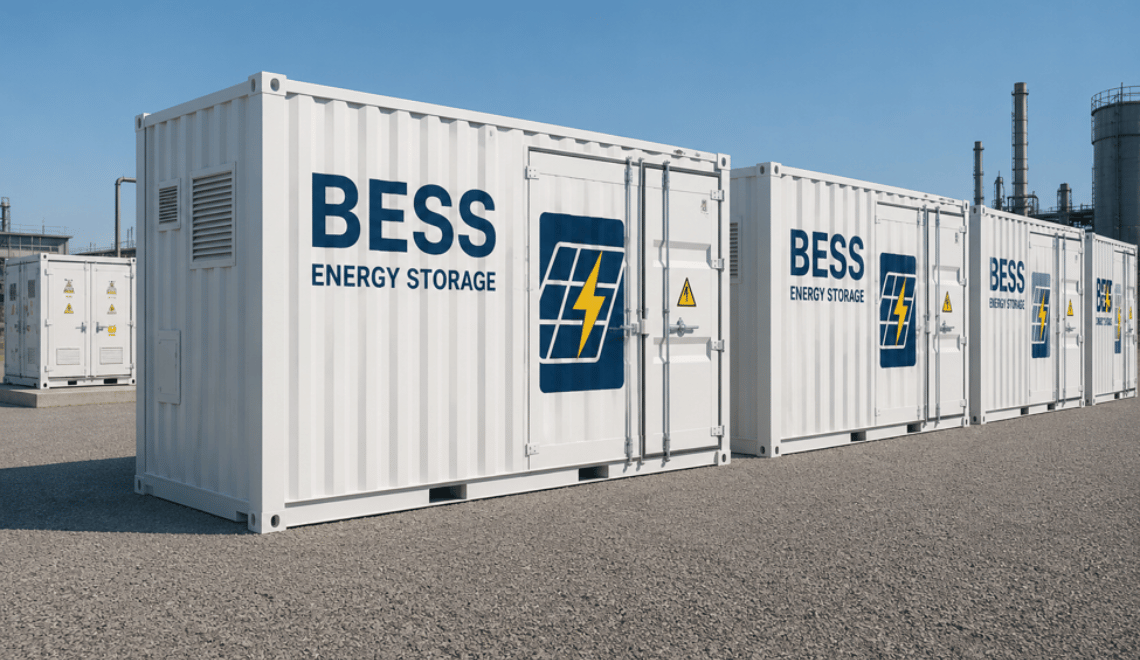
The rapid growth of solar and wind power in India has raised the need for reliable energy storage options. The focus is on battery energy storage systems (BESS). Wind and solar power EPC companies in India are using these systems to ensure stable renewable energy and ensure grid reliability. BESS systems are capable of saving extra power – generated during high production periods and supplied when energy production drops. Their role in filling the gap between energy supply and demand makes BESS a central part of efforts to stabilize grids as energy systems evolve.
BESS Market Growth Drivers
India’s BESS market is expanding rapidly and this growth is happening for several reasons. Renewable energy projects are popping up across the country, creating a strong demand to store energy when production levels rise and fall. Solar energy generates the most power at midday but electricity use climbs up in the evening. BESS helps fix this mismatch.
Lower battery costs around the globe have made BESS systems more affordable, attracting developers, investors and top renewable energy companies in India. Moreover, government policies at national and state levels such as tenders or pilot projects have also sparked more interest.
Uses of BESS Energy Storage Systems
In India, people are exploring BESS for many different purposes. Utility companies and private developers are building standalone storage systems and combining renewable energy with storage setups. These systems help make power supplies more stable and reliable. Outside of large grid-level projects, industries and businesses are using BESS to handle peak power demands. Smaller systems are also being tried out to bring electricity to rural areas and run microgrids. BESS systems offer more flexibility in places where access to the main grid is still limited.
Challenges in Integration
Even though the future of BESS in India looks bright, adding these systems to the power network isn’t without its hurdles. The grid can vary significantly from one region to another in terms of setup, voltage needs and operating conditions. To make BESS fit into the system and respond, experts need to use advanced controls and plan their designs.
Issues with the supply chain create another big challenge. Even though India is building up its own manufacturing industry, it still depends a lot on imported battery cells and other parts. This reliance can cause price changes and make supplies unpredictable. Options to create more effective systems to recycle batteries and manage them when they’re no longer useful are still being developed to reduce environmental damage.
Problems with Policy and Finances
While policies and rules pertaining to BESS systems are becoming clearer, they are still changing. Developers face uncertainty when it comes to things like tariff rules, ways to earn revenue and ownership structures. Finding available land and getting necessary approvals can slow things down too for bigger projects.
What Lies Ahead and Potential Growth
India’s energy shift brings a big opportunity with battery energy storage systems. Advances in battery design and system engineering will help solve some of the ongoing issues in the future. Different chemical setups and new storage methods that last longer might offer more choices for BESS applications. Digital tools like AI-powered forecasting and systems that adjust in real time might improve efficiency and make grid integration smoother.
Collaboration between government bodies, tech companies and green energy companies in India will have an impact on the growth of BESS. Encouraging both large utility-scale projects and smaller behind-the-meter setups could significantly increase the benefits of this renewable technology.
| Disclaimer: The information provided in this blog is for general informational purposes only and not professional advice. Jakson Green Limited bears no responsibility for errors, omissions or the accuracy of the information provided. |



2 Comments