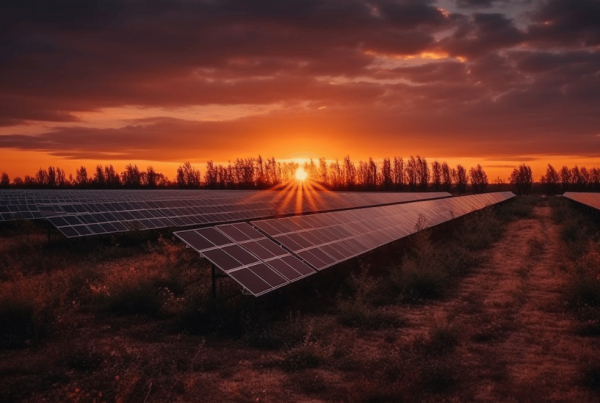
Here’s the thing about the whole net-zero rush — we can’t just plug the entire planet into a wall socket and call it a day. Yes, wind farms and solar arrays look great, and sure, renewable energy companies in India are scaling fast but copper wires aren’t hauling a 100,000-ton container ship across the Pacific Ocean anytime soon. Also, they cannot blast out the 1,500-degree celsius heat needed to forge steel, either. For the heavy-duty sectors of our economy like aviation and shipping, electrons hit a brick wall.
Beyond the Electric Grid
This massive bottleneck is forcing a complete rewrite of our energy strategy. To fix the hardest parts of the climate puzzle, the world is looking beyond renewable power. Enter green molecules. For years, the climate playbook was incredibly predictable. The script went like this: build out renewables, patch up the grid and electrify absolutely every machine you can find. It was a neat vision but it missed out how heavy industries function. These sectors account for nearly a third of global emissions and they don’t just use fossil fuels for power; they use them as raw chemical feedstocks. Try running a cement kiln on a lithium-ion battery pack and the laws of physics will laugh you out of the room.
The Chemistry of Clean Fuel
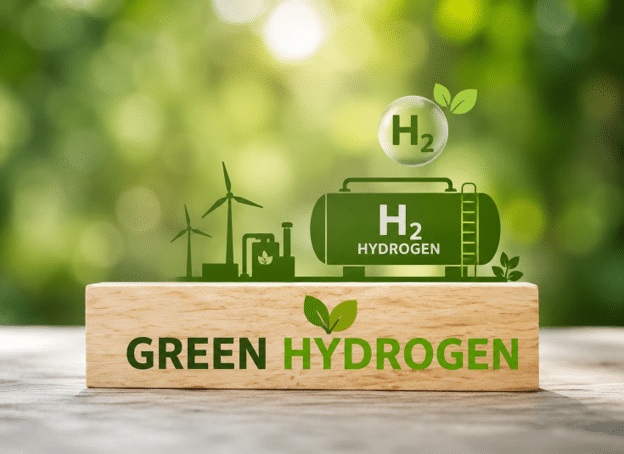
This is exactly where green molecule steps in to save the day. By running clean electricity through water, a process called electrolysis, we can split out pure hydrogen. Blend that hydrogen with captured nitrogen from the air and suddenly you have synthetic fuels that act exactly like traditional oil and gas. The best part? They drop right into existing engines without leaving a carbon footprint.
There is another massive edge here: you can store them forever. Batteries are heavy, wildly expensive and they slowly bleed power if they sit around. Molecules don’t. You can pump them into a tank and leave them there for months, waiting to balance out a winter energy crunch or fuel a cargo ship on a gruelling weeks-long journey.
Rewriting Trade Geography
This shift completely flips the map of global energy trade. Instead of stringing fragile, multi-billion-dollar transmission lines across massive continents, clean energy companies in India can just ship their power. Countries with endless sunshine and wind can package their clean energy into liquid form and load it onto tankers bound for industrial hubs. We don’t even need to build everything from scratch. Old oil terminals, deep-water ports and aging gas pipelines are being repurposed rather than torn down. This recycling saves a significant amount of money and sidesteps the brutal supply chain delays currently crippling electrical grid expansions.
Facing the Thermodynamic Reality
Green molecules are a luxury resource. Wasting them in places where direct batteries do the job perfectly is a luxury we can’t afford. They belong in the trenches of heavy industries where nothing else works. The real decarbonisation race isn’t just about throwing up more solar panels anymore; it’s about matching the right clean resource to the right machine. By balancing electrons with molecules, the energy transition is finally getting realistic.
| Disclaimer: The information provided in this blog is for general informational purposes only and not professional advice. Jakson Green Limited bears no responsibility for errors, omissions or the accuracy of the information provided. |