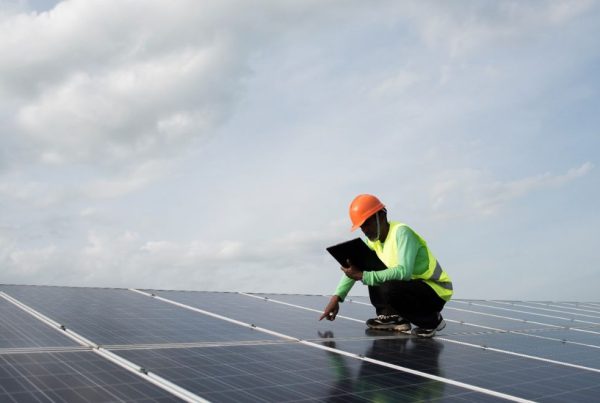
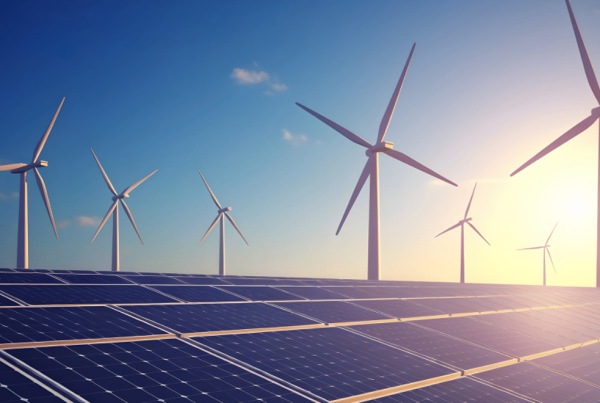
Running a modern, hybrid renewable energy plant is a challenge. It isn’t just about putting up solar panels and walking away. You are forcing wind turbines, vast solar arrays and heavy chemical battery banks, also known as BESS, to speak the exact same electrical language. That creates immediate friction. The second the wind drops, the solar field might peak. Or worse, the batteries may absorb sudden, massive thermal shocks just to keep the grid from collapsing. That’s why renewable energy companies in India use digital twins in operations and maintenance to prevent potential problems.
What is a Digital Twin?
Leveraging artificial intelligence (AI), a digital twin is a highly detailed virtual clone of a physical hardware, running alongside it in real time. By feeding live sensor data straight into these digital templates, AI tracks microscopic shifts in heat, mechanical vibration, voltage, and structural strain.
Moving Away from the Historical Defensive Approach
For years, many renewable energy companies in India have followed a defensive approach operations & maintenance (O&M). They waited for a wind turbine gearbox to crack or an inverter to overheat and later called the crew out to fix it. This approach led to unplanned downtimes, which drained thousands of dollars in repairs.
How Digital Twins Read Real-Time Data
In a standard setup, basic monitoring tools won’t notice a tiny thermal flicker inside a solar inverter or a minor balance variance on a wind turbine blade. But an AI-driven digital twin constantly cross-references this live behaviour against historical engineering datasets and volatile local weather patterns. It immediately flags the weird deviations that human eyes miss during routine physical walkthroughs.
Think about what happens when heavy cloud cover rolls over a solar field. The BESS has to jump in instantly to take over the load. This aggressive push of electricity triggers massive thermal stress inside the battery modules. By watching these microscopic heat patterns, the digital twin knows precisely when a specific cell pack is starting to degrade. Operators can then schedule a quick swap during a low-demand window, instead of waiting for a catastrophic system shutdown.
Moving From Panic to Plan
Digital twins change the whole playbook from reactive firefighting to asset longevity. Field crews don’t need to wander across thousands of acres looking for glitches anymore. They know exactly which component needs help and what tools to bring. This targeted approach lowers operational expenses, cuts unexpected downtime and stabilises power delivery to the grid. It also extends the actual working life of your multi-million-dollar hardware investments.
Smart Operations with EnergxIQ
Jakson Green’s proprietary asset management platform, EnergxIQ, has been designed to tackle these exact problems. Built from the ground up for complex hybrid portfolios, EnergxIQ uses specialised modules like iSolarSight and iWindSight to ingest live performance data. Instead of treating maintenance like an emergency scramble, the platform turns messy physical metrics into clear, actionable steps. Operators can spot subtle mechanical stress long before a breakdown occurs. EnergxIQ provides a single, unified view of asset health, protecting hardware investments, balancing power flow and maximising the financial returns of massive clean energy installations across their entire lifecycle.
Final Thoughts
Let’s face it, nobody wants to run a multi-million-dollar power plant by just crossing their fingers and hoping nothing blows up today. That is exactly why this tech matters. It stops the guessing game completely. Digital twins and tools like EnergxIQ prove that clean energy doesn’t have to be a massive headache or a financial gamble. When you actually know what your gear is doing every second, you save money as well as time.
| Disclaimer: The information provided in this blog is for general informational purposes only and not professional advice. Jakson Green Limited bears no responsibility for errors, omissions or the accuracy of the information provided. |