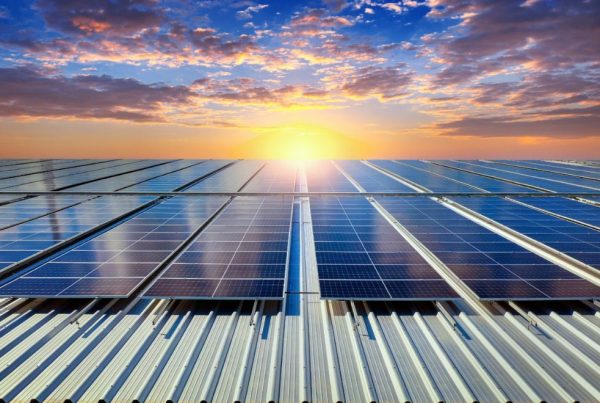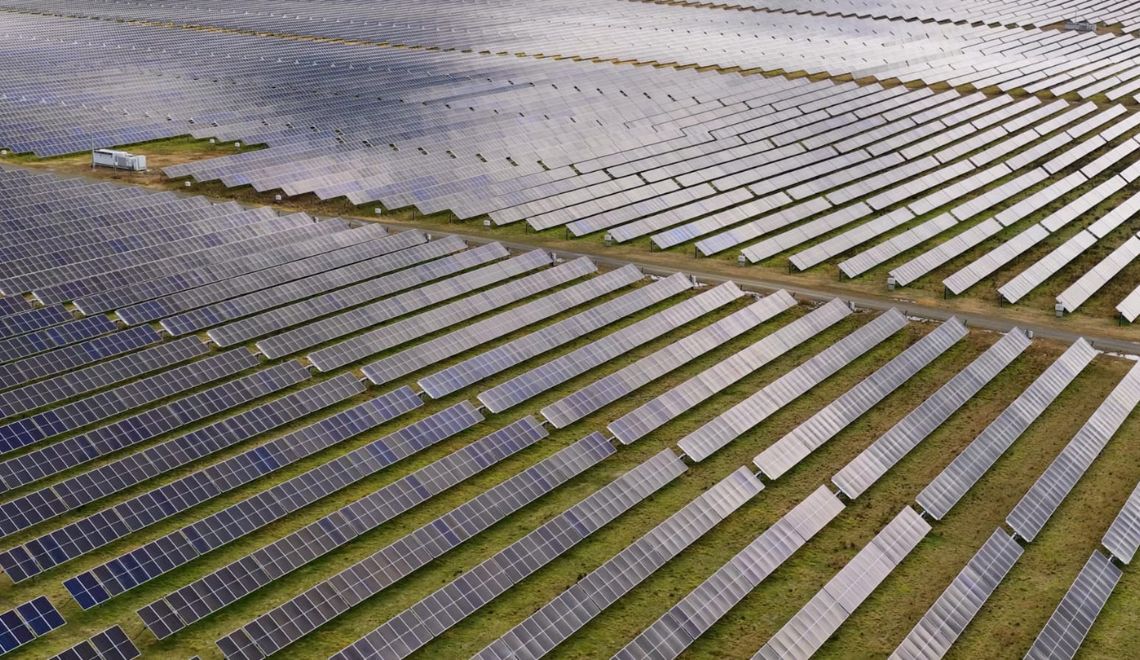
Floating solar power generation is a simple yet powerful idea that uses the sun to make electricity — without taking up land. You mount solar floating photovoltaics (PVs) panels or floatovoltaics on buoyant surfaces that float on lakes, reservoirs and ponds.
Floatovoltaics offer various advantages over traditional, land-based solar panels, especially in regions with high land costs or space constraints. Also, the panels are much more efficient since the water under the panels keeps them cool naturally.
India’s floating photovoltaics market is expected to reach US$ 512.19 million in 20321. Solar energy companies in India are pushing this idea as it matches the country’s big plans to stop carbon emission and reach net zero by 20702.
Why It Makes Sense in India
The benefits are easy to see. For India, this is a smart choice because the country has a lot of underutilised water bodies that are not being used for power generation yet. No farmland or houses are needed, so solar power companies in India don’t need to worry about clearing land.
Panels get cool naturally so there is no need to worry about panels getting hot and losing efficiency. The panels also act as physical barriers and reduce evaporation, which directly helps dams by preserving water volume for hydroelectric power generation and stabilising the local grid.
If we talk about maintenance, floatovoltaics generally face less dust and dirt accumulation than ground-mounted arrays in dry or arid regions, leading to lower maintenance and cleaning costs.
Challenges with Floating Solar Power
Although floatovoltaics offer several benefits, there are challenges, for sure. First of all, they cost more to build than land-based panels because you need specialized hardware (high-density polyethylene, plastic floats, marine-grade corrosion-resistant metals and heavy-duty underwater anchoring lines) that do not rust in water. Advanced waterproofing would also be required for panels to make sure they withstand permanent moisture exposure.
We also need to test for wind and salt conditions. Wind speeds are often much higher over open water. Strong gusts and wave action create immense structural strain that can warp metal frames or cause micro-cracks in solar cells.
Fishermen and farmers who live near the water could lose their livelihood. Some water bodies have depths, some have currents. This makes checking water bodies expensive and slow. Also, the rules and permissions are not clear in every state. This means that getting approval could take a lot of time.
The Goal is to Reduce the Cost & Prevent Environmental Damage
The challenges do stop things from moving rapidly right now but there is definitely hope. The government, solar EPC companies in India and local authorities must work together to reduce cost and prevent environmental damage. Developers could turn to modular, prefabricated floats, aerodynamic layouts that lower material strain and high-efficiency bifacial panels that maximize energy yield. Additionally, co-locating these systems on existing industrial water bodies or hydroelectric reservoirs eliminates the need for expensive new grid infrastructure, making the technology financially competitive with traditional land-based solar arrays.
Final Thoughts
India has the sun, water and the desire to make a change. Floating solar power can play a role in our clean energy future. Definitely, we need more testing, big investments and clearer laws. With support, floating solar can make our country cleaner and more powerful for future generations.
References:
- Markets & Data – ‘India Floating Photovoltaics Market Assessment, Opportunities and Forecast, FY2018-FY2032F’.
- PIB – ‘Net Zero Emissions Target’. Published on Aug 3, 2023.
| Disclaimer: The information provided in this blog is for general informational purposes only and not professional advice. Jakson Green Limited bears no responsibility for errors, omissions or the accuracy of the information provided. |