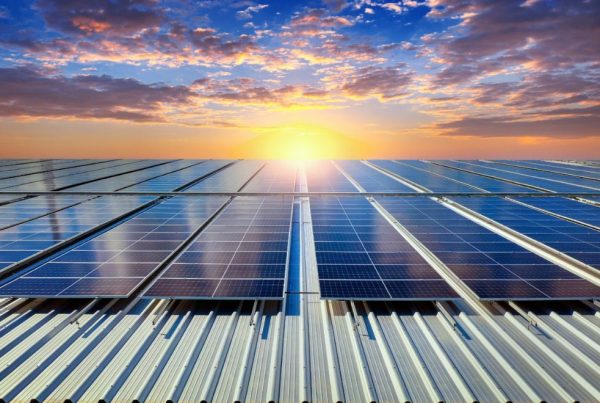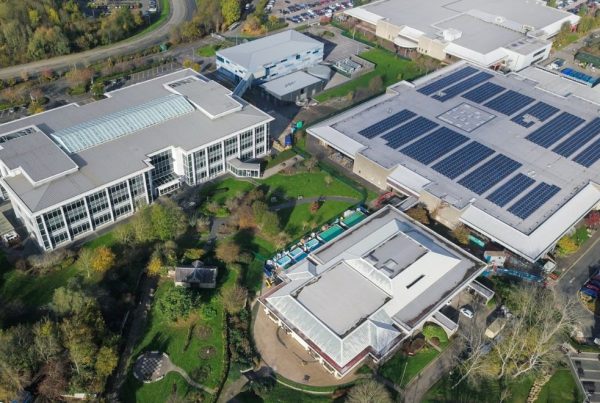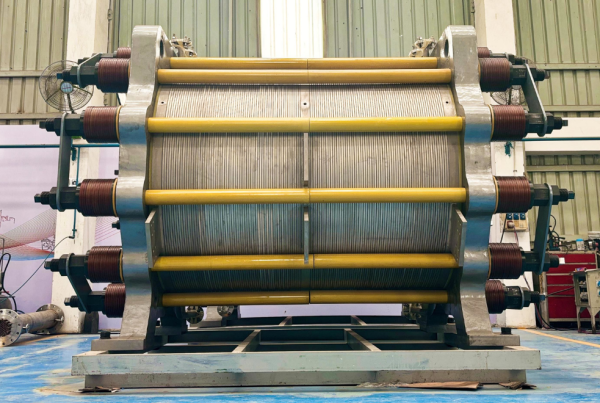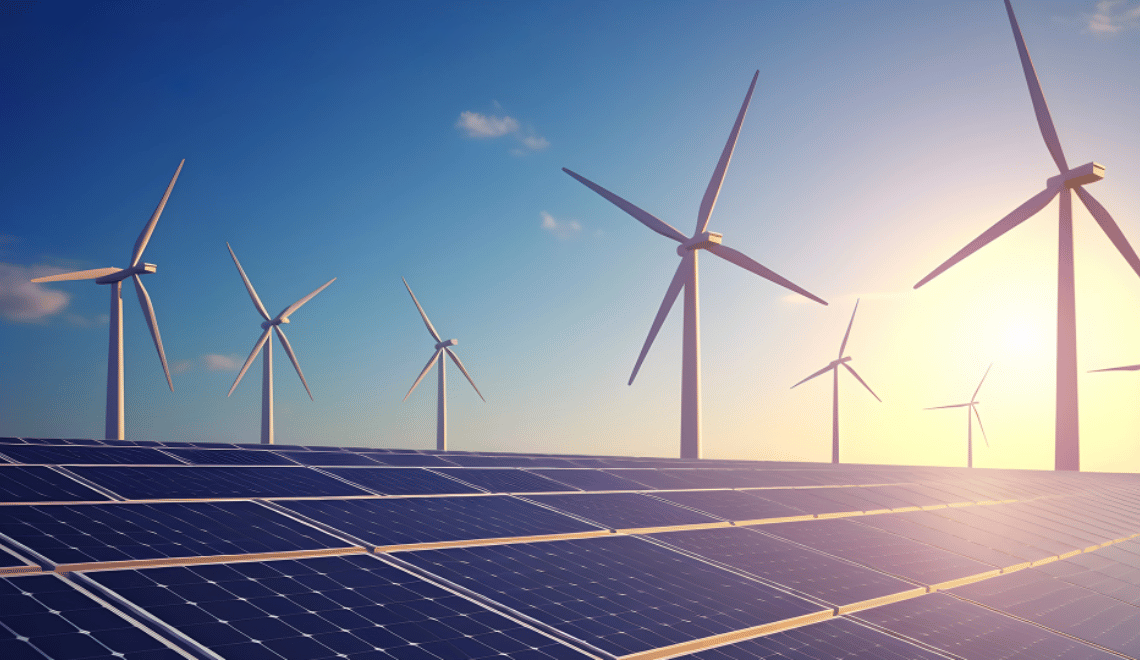
It’s exciting to see how far India has come in the renewable energy space. It was not long ago when the energy capacity crossed the milestone of 200 gigawatts and it currently stands at 283.46 gigawatts (Ministry of New and Renewable Energy). A predominant percentage of this power has been generated from non-fossil fuel sources such as solar, wind, hydro and nuclear.
Now, India is on a bigger mission. According to the Ministry of Power, India is aiming to generate 500 gigawatts of renewable power using non-fossil fuels by 2030 — and reach net zero carbon emissions by 2070. The goal is to reduce pollution, decrease dependence on coal and provide cleaner power to millions of people.
Top renewable energy companies in Indiaare making substantial contributions in achieving this ambitious target by building large solar parks and wind farms.
Why Reaching the 500 GW Target Matters
India needs more electricity. As more people move to cities to start factories and use electric cars and air conditioners, the demand for power keeps rising. Relying on fossil fuels like coal isn’t a long-term solution. Shifting to renewable energy could reduce dependence on foreign energy, improve air quality in cities, and even bring new employment opportunities in rural regions. Not to forget, reaching 500 GW with renewables could spark big projects and develop more efficient options for energy storage.
How Renewable Energy Companies Help Achieve the Goal
The government is putting efforts into auctions, policies and incentives. On the other hand, green energy companies in India are taking big steps to make a difference. They:
- Build large-scale energy projects that produce hundreds of megawatts of electricity at once. This gets results much faster than smaller initiatives.
- Use hybrid systems that combine solar, wind and battery energy storage systems (BESS). This approach helps fix the challenge of energy being available only at specific times.
- Bring in substantial private funding including investments from other countries which significantly reduces the burden on government budgets.
- Lower costs to the point that renewables are now often less expensive than opening new coal plants.
Common Issues India Faces
India’s renewable energy efforts are commendable, however, things haven’t been easy at all. Securing land to build huge solar parks takes a lot of time and often becomes complicated. Project commissioning delays, driven by land acquisition challenges, grid connectivity issues and regulatory hurdles remain a major concern for India’s renewable energy sector. Upgrading the power grid is necessary to transfer electricity from areas with strong winds or bright deserts to busy cities. Moreover, delays in supplies and unexpected weather conditions create problems. Not to forget, production at a large scale requires massive investments. Smaller clean energy companies in India continue to struggle to get enough funding.
Looking Forward with Hope
To conclude, top solar and wind energy companies in India do more than just power generation. The focus is on safer and environmentally friendly energy generation for a greener, sustainable future. Continuing at this rate and addressing remaining issues and potential risks, India may realistically meet or even exceed the goal of 500GW of total installed capacity.
| Disclaimer: The information provided in this blog is for general informational purposes only and not professional advice. Jakson Green Limited bears no responsibility for errors, omissions or the accuracy of the information provided. |