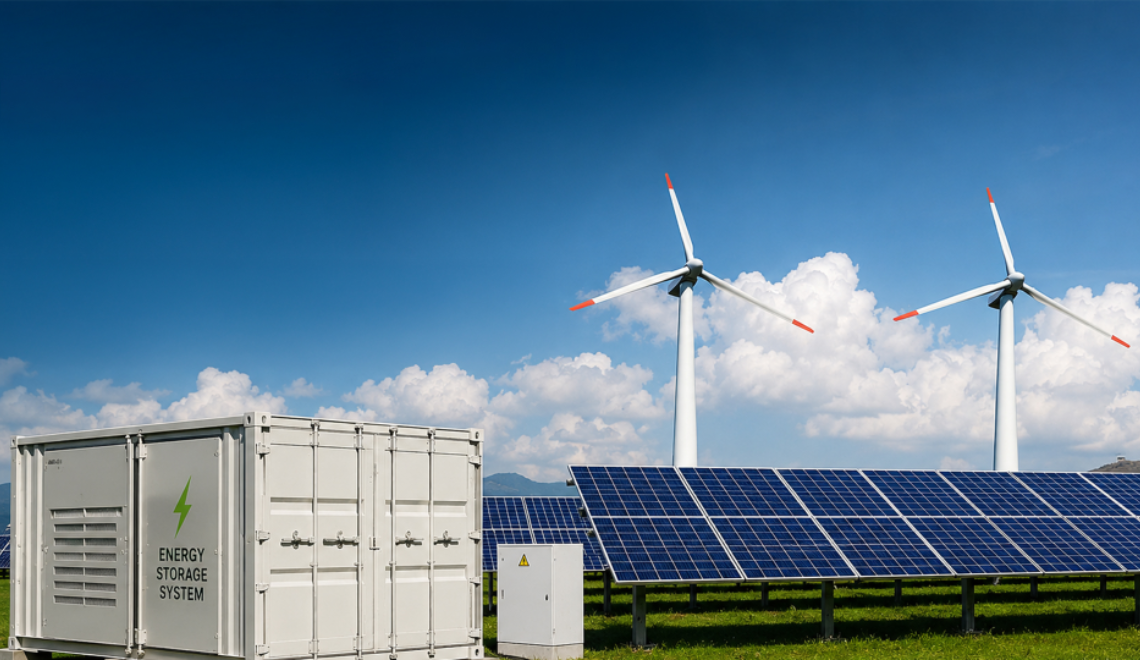
Energy demand around the world is increasing rapidly and nations are looking for clean electricity options that are steady as well as environment-friendly. Top renewable energy companies in India are providing hybrid systems to blend solar, wind and battery power to meet growing energy needs. Hybrid setups provide steady electricity all day and night, turning renewable energy into a more functional option.
The Need for Hybrid Systems
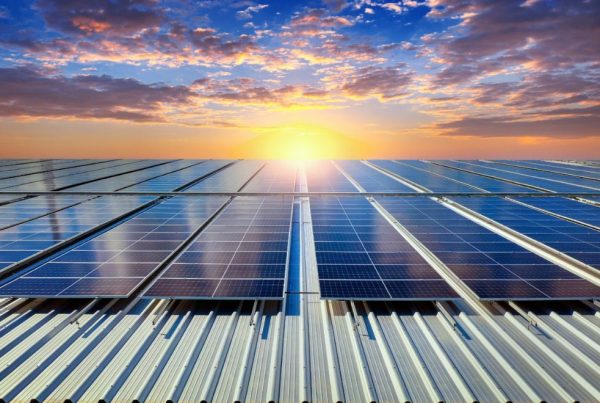
Solar energy is most effective while the sun is shining. Wind energy production will increase during the night or when certain weather patterns occur. It is also true that a day without either wind or sun will result in little energy production. By combining wind and solar technologies, green energy companies in India are maximising production capabilities to reduce or eliminate the weaknesses of both types of renewables.
Integrating Batteries into Existing Renewable Energy Systems
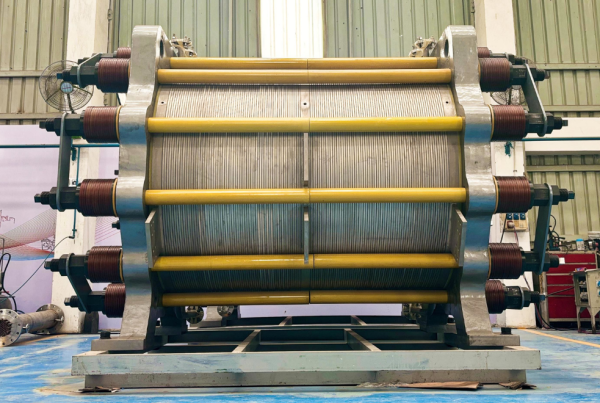
Batteries, or Battery Energy Storage Systems (BESS) provide an excess amount of energy generated from sunny or windy periods when there is more energy than can be utilised. This helps to offset demand during times of less production of these two energy sources. By integrating batteries into existing renewable energy systems, you get a more reliable and consistent power source similar to what is produced with traditional, older fossil fuel-fired power plants. The difference is that these renewable energy sources are now much cleaner and eco-friendly.
How Hybrid Energy Systems Operate
Picture a renewable energy project set up in a bright and windy spot. During daylight, solar panels soak up sunlight to make electricity. When evening comes and the wind picks up, turbines take over and start producing power. Extra energy goes into big battery banks to save power for later use. At night or when power production drops, the stored energy powers homes, businesses, or the electricity grid.
Clean energy companies in India often create these projects in the same area to use land more and cut down on connection expenses. Many sunny and windy areas across the globe are embracing this idea. Regions like open plains in North America and Australia along with coastal or desert zones in Europe, Africa and Asia showcase this trend.
Perks of Hybrid Renewable Energy Systems
- They deliver steadier energy compared to just solar or wind.
- Surplus energy gets stored instead of going to waste.
- Using shared land and grid access reduces total expenses.
- The mix of systems keeps the power grid stable and steady.
- They give businesses and communities more dependable power at consistent costs.
Hybrid energy works well for places like factories, hospitals, data centres and EV charging spots that need constant power. On a big scale, these setups help clean up the air and reduce dependence on fossil fuels.
Problems that Still Need to be Solved
Combining hybrid energy systems isn’t without issues. Batteries often come with high costs for setup and upkeep over time. Finding large plots of suitable land for both wind and solar systems can be tricky when it involves farms, wildlife or local populations. Other hurdles show up when workers need training to use new tools; supply chains for batteries require careful handling; or policies and rules about energy storage need to be updated. In some regions, bad weather makes equipment work less.
Future Possibilities
The future of hybrid renewable energy seems bright. As advanced technologies and practical experience improve with regard to hybrid energy systems, they will also become cheaper and more frequently implemented. Governments and renewable energy companies worldwide back these efforts with funding new research and updated policies. Improvements in battery technology lower costs and make them last longer. Smart systems now decide the best times to store or deliver energy making power use smarter.
| Disclaimer: The information provided in this blog is for general informational purposes only and not professional advice. Jakson Green Limited bears no responsibility for errors, omissions or the accuracy of the information provided. |