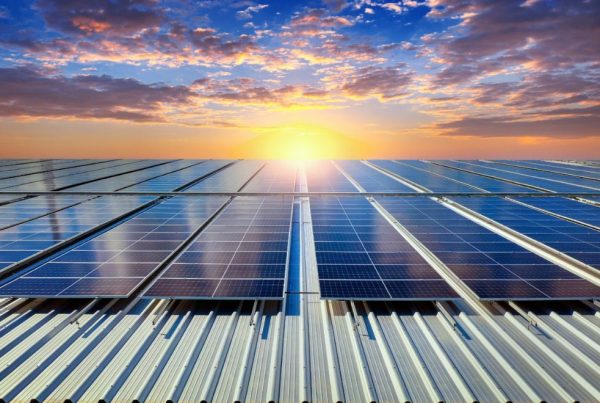
Today, in the rapidly changing world of clean energy, the phrase “end-to-end solar EPC” has become common parlance, though rarely understood in its entirety. Essentially, the complete end-to-end EPC contracting entity is far more than just a solar power plant developer. A complete end-to-end EPC contracting entity has the ability to assume total responsibility over the entirety of a solar power project, right from inception through to the conclusion of the complete lifecycle.
This is where Jakson Green sets itself apart.
Beyond Construction: Ownership of the lifecycle
A conventional EPC contract might primarily include engineering design, equipment procurement, and facility implementation. But a holistic view of EPC looks far beyond such limited requirements.
The company provides a true turnkey solution by encompassing engineering, procurement, construction, commissioning, and O&M in one company. It becomes easy for their clients to manage projects when there is single-point responsibility for performance, schedule, and quality for the life of the resource.
Integrated value chain: Manufacturing + EPC
One of the characteristics that define Jakson Green’s model is the convergence of the manufacturing segment with the EPC and O&M business. With this, the firm has mastery over supply chain management, quality, and costs, seeing that it owns the solar cell and module manufacturing process.
This integration helps to reduce reliance on third-party suppliers, as well as associated procurement risks, thereby ensuring a much stronger link between design and actual delivery on the ground. From the side of the customers, this enables greater reliability, optimal costs, and much greater assurances of delivery, particularly in mega projects.
Moving ahead from solar PV
What adds an extra layer of effectiveness to an end-to-end EPC model is the capability of handling multiple forms of clean energy sources. The product offerings of Jakson Green include Solar PV and cover uncharted territories such as green hydrogen production, production of green ammonia, waste-to-energy concepts, and Battery Energy Storage Systems (BESS).
This multi-tech strength enables the firm to conceptualize integrated energy systems, as opposed to individual facilities. For instance, integrating solar energy with BESS enhances stability within the grid.
On the other hand, incorporating green hydrogen enables decarbonization within the hard-to-abate sectors. This integrated approach has become all the more critical owing to the increasing complexity associated with energy transition projects.
EPC plus developer mentality
Another unique aspect is the fact that Jakson Green operates both as an EPC contractor and an IPP/IHP. This adds another level to their understanding with respect to risks, returns, and performance. Having “skin in the game” helps refine Jakson Green’s execution approach, ensuring their engineering decisions look beyond the completion horizon.
What ‘end-to-end’ really means
In the end, it is the quality of being an “end-to-end” solar EPC company that depends not only on the range of capabilities, but also the full gamut of integration in technology, manufacturing, and serviceability.
This is where the business synergy of Jakson Green’s business model, with EPC, O&M, manufacturing, and new energy tech, all come together in a powerful tech-enabled platform. In an industry where size, reliability, and performance count so much more than ever before, this integrated approach helps enable efficient delivery, optimal risk mitigation, and ultimate value creation – establishing with conviction what ‘end-to-end’ must and should mean in the clean energy paradigm.