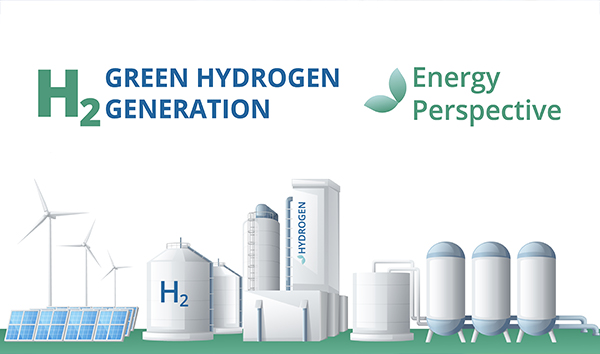
India is at a very crucial point in its energy transition where climate goals, industrial growth, and global competitiveness all come together. At a time when countries globally are still in pursuit of scalable solutions to decarbonise their economies, green hydrogen quickly transitions from what was also perceived as a mere futuristic concept to a commercial reality. For India, it’s not only a route to net zero but also a good and fair opportunity to become a major clean energy exporter to the global markets.
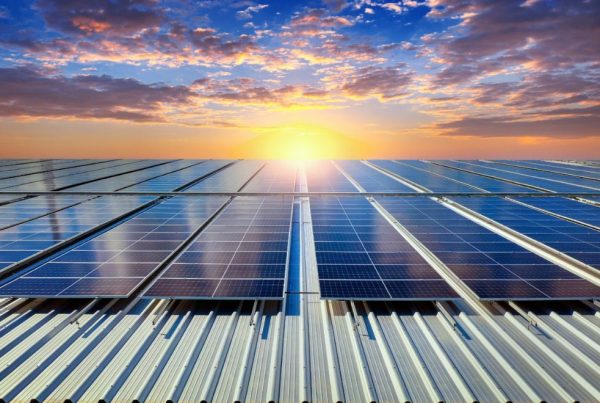
The green hydrogen potential of India is primarily based on its remarkable renewable energy resources. Hence, the country is endowed with a vast solar and wind capacity, which is available at highly competitive prices on a global scale.
The fundamental driver of green hydrogen production is the availability of low cost, clean electricity. In this regard, India has a structural advantage. With renewable tariffs being among the lowest in the world, the economics of green hydrogen production in India will keep getting better day after day, particularly as electrolyser technologies mature and scale efficiencies are realised.
Strong policy support has been one of the major factors in accelerating this momentum even further. The National Green Hydrogen Mission launched in 2023 is the centerpiece of the effort to scale up production, build domestic manufacturing capabilities and create an integrated hydrogen ecosystem. The mission aims to produce 5 million tonnes of green hydrogen annually by 2030 besides making a considerable addition to renewable power capacity. The Hon’ble Prime Minister, Narendra Modi had earlier indicated that green hydrogen would be one of the major pillars of India’s journey to energy self-reliance and its long term net zero commitment. This policy clarity has helped green hydrogen to be positioned as a national priority instead of being a niche technology.
Beyond power generation, green hydrogen is the solution to the energy transition problem, sector decarbonisation is hard to abate. The steel, fertilisers and oil refining industries are not only the most necessary ones for India’s economic growth but are also heavily dependent on fossil fuels and difficult to electrify. Green hydrogen is an emission free alternative that can replace conventional hydrogen and fossil fuels in these sectors, thus industrial emissions will be reduced drastically, but output will be maintained.
Another major reason that propels the need for hydrogen in the Indian scenario is energy security. Today, the Indian energy basket is hugely dominated by imported resources of crude oil, natural gas, and coal. This makes the Indian energy sector highly vulnerable to fluctuations of the global market and geopolitical considerations. This has been proven during the COVID-19 crisis, where the energy systems that relied on imports were severely affected.
Another factor is the geographical advantage that comes into play here. The long coastlines of India would help the setting up of green hydrogen hubs around the ports, which could then import or export the product to other regions. Moreover, green hydrogen could also be converted to green ammonia in many regions, so it becomes easy to transport from one part to another. With the increase in demand from other countries like Europe, it could become a very big market for green hydrogen derivatives for the Indian continent.
Cost is still an important factor. Currently, green hydrogen is still more expensive compared to grey hydrogen produced through natural gas and blue hydrogen produced through carbon capture. However, this gap is anticipated to diminish rapidly as renewable energy becomes cheaper and electrolyser production scales up with supportive policies. One should not forget that green hydrogen is the only fuel offering carbon free routes, thus, it is an essential element in the attainment of carbon reduction targets.
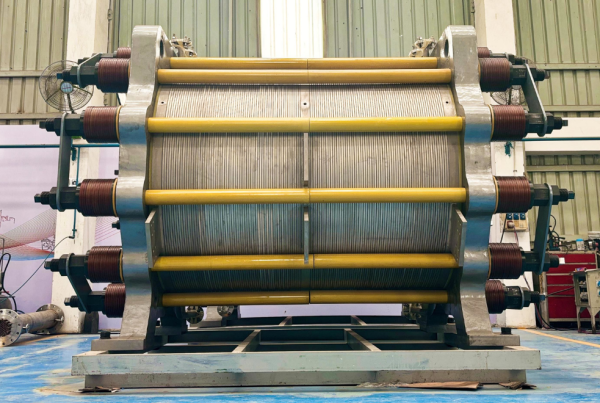
Domestic production and R&D are at the forefront of this shift. With the formulation of government policies that focus on encouraging the production of electrolysers, R&D, and pilot projects, the entire ecosystem is being developed in this domain. Simultaneously, the Green Hydrogen Certification Scheme is developing a traceable system whereby Indian products are acceptable globally.
When viewed from a cumulative perspective, the following points illustrate how green hydrogen is more than just a clean technology solution. It is a key economic enabler where there is a direct linkage between the reduction of carbon emissions and the growth of industries. With the increasing demands for clean energy resources across the globe, it would be absolutely feasible for the nation of India to be a leader in the export of green hydrogen production.
Disclaimer: This blog is intended for general informational purposes only and reflects industry perspectives. It does not constitute investment advice or a forecast. The views expressed are based on publicly available information and current assumptions, and actual outcomes may differ due to market and regulatory developments.